
Research
Google's SymptomAI study finds its AI diagnoses beat human clinicians in over half of nearly 14,000 cases
8:10 AM · July 28, 2026
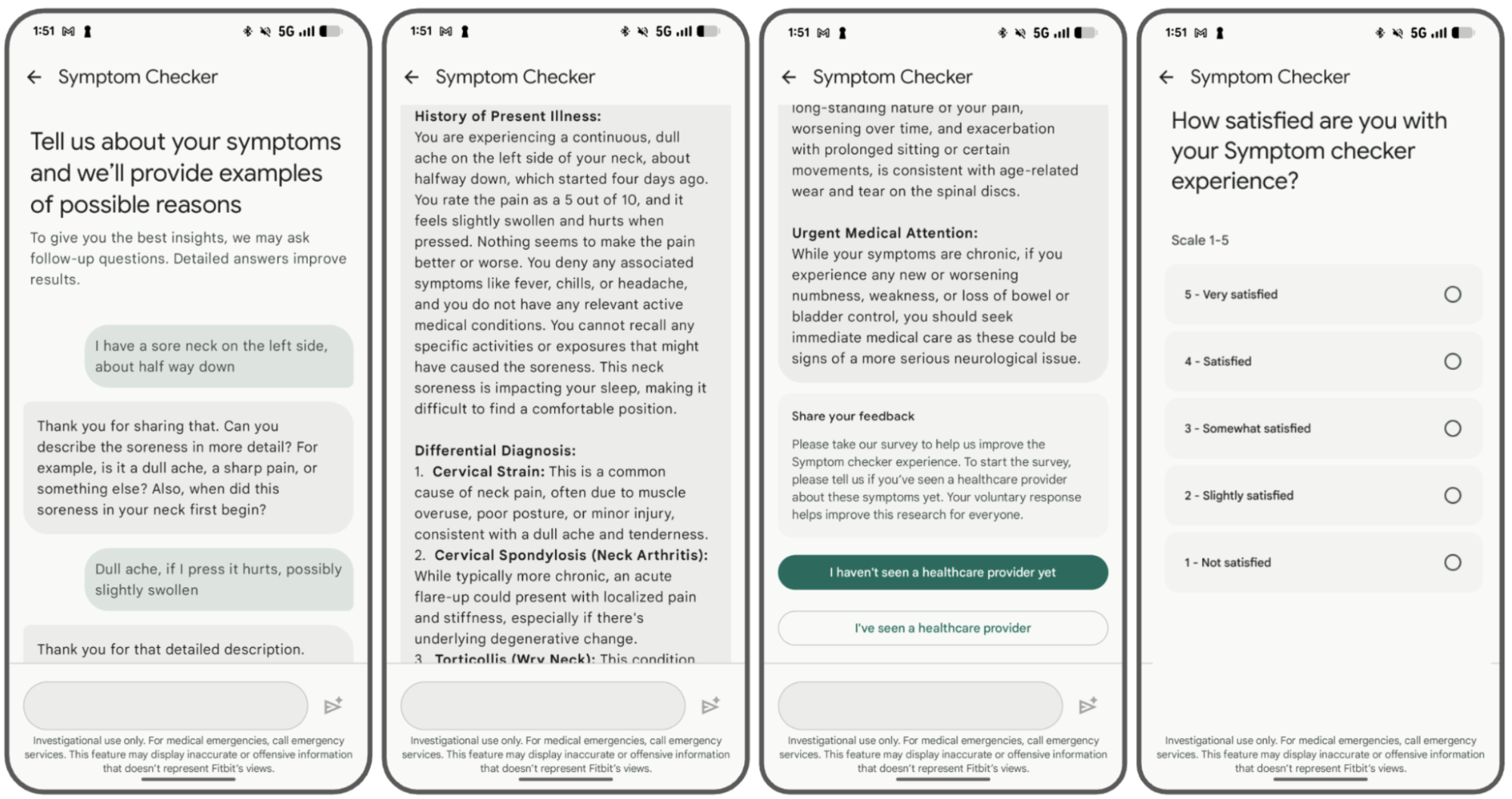
Google Research published a study on July 22, 2026 describing SymptomAI, a conversational AI agent built on Gemini Flash 2.0 designed to interview patients about everyday symptoms and generate a ranked differential diagnosis, the kind of reasoning a doctor performs when narrowing down possible causes of a complaint. The randomized study involved 13,917 consenting participants, each of whom described their symptoms to one of five SymptomAI variants that used different interviewing strategies, with the resulting transcripts and diagnoses reviewed blindly by board certified clinicians. Clinicians ranked SymptomAI's differential diagnosis as the best option in 53.3 percent of cases, outperforming the other clinicians it was blindly compared against, and its top diagnoses more frequently matched what participants' actual healthcare providers later diagnosed two weeks afterward. Researchers Joseph Breda and Jake Sunshine also found that agent driven interviewing, where SymptomAI actively steered the conversation rather than waiting passively for the user to volunteer information, produced meaningfully better results, and that SymptomAI's respiratory infection diagnoses correlated with physiological changes detected in participants' Fitbit data over the prior 30 days, an independent signal that its reasoning tracked something real rather than just plausible sounding text. The study lands the same week OpenAI expanded ChatGPT Health to all US users, underscoring how quickly conversational symptom assessment is moving from research demo toward mainstream deployment, alongside the same open questions about liability and clinical oversight that follow any AI system making diagnostic suggestions.