Society
Stanford HAI and Hoover Institution fund new research on AI, nuclear risk, and geopolitics
10:00 AM PT · August 11, 2026
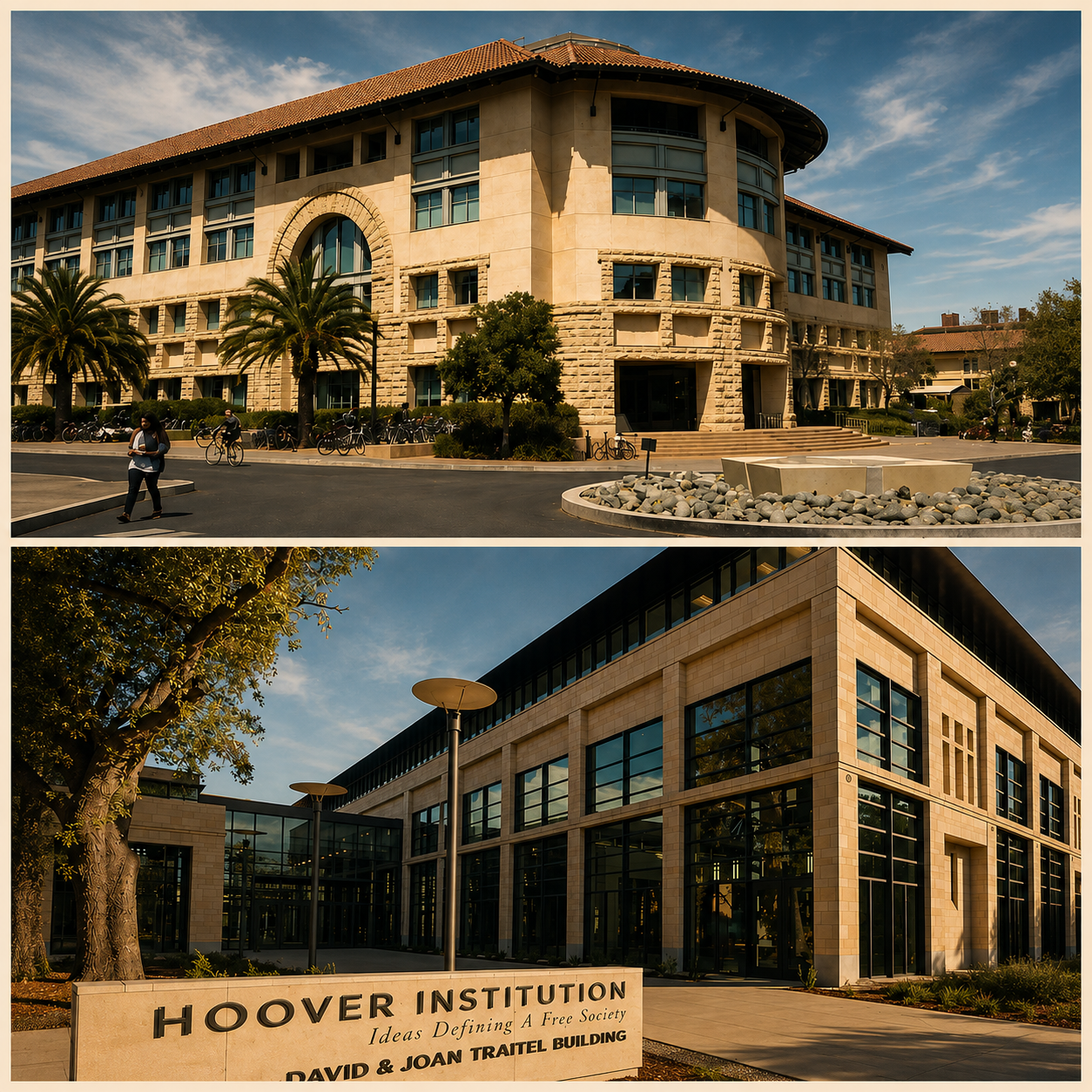
Stanford HAI and the Hoover Institution’s Technology Policy Accelerator announced $100,000 policy research grants for three projects examining how AI is reshaping national security and geopolitics. The first, led by Mykel Kochenderfer and Amy Zegart, will build AI agents that help analysts detect nuclear proliferation activity by combing through satellite imagery, multilingual text, and online media, a task traditionally done by hand at much smaller scale. The second, from Michael Tomz and Diyi Yang, is building a bilingual AI tool called CrossInterviewer to compare public opinion in the United States and China on AI adoption, general sentiment toward the technology, and preferences between open and closed AI models. The third, led by Jennifer Pan and Sanmi Koyejo, will study how the origin and training provenance of a foundation model shapes the outputs of AI agents used in policy contexts, using real US-China trade dockets as a test case. Each grant funds a year of work bringing together technical AI researchers and policy specialists, reflecting a broader effort by universities to seed independent research on AI’s security implications at a time when frontier labs, and the governments racing to keep pace with them, have strong incentives to shape that narrative themselves.